Navigating the Cancer Journey: Insights on Treatment, Wellness, and Patient Advocacy
In a world where battling cancer feels like navigating a labyrinth, empowering patients stands as a beacon of hope. Imagine waking up one morning, your entire life on its head, learning that a diagnosis of malignancy—be it breast cancer, lung cancer, or carcinoma—has been thrust upon you. For many, this moment signifies not just a struggle for survival, but a lifelong journey filled with choices about treatment options and support systems. As we march forward into the world of oncology, it becomes crucial to equip oneself with the knowledge that can transform this daunting journey into one of empowerment and resilience. How can you take charge of your health and advocate for yourself amidst the chaos?
The world of cancer treatment can feel overwhelming, with terms like chemotherapy, radiation therapy, and immunotherapy swirling around. Each option comes with its own set of benefits and potential side effects, making it crucial for patients to be informed and prepared. Education is your ally, as it empowers you to ask the right questions and make informed decisions about your care. For instance, have you explored clinical trials that may offer groundbreaking treatment opportunities? Engaging in health education and understanding cancer statistics—including the prevalence of various cancer types—can alter your perception of treatment viability significantly.
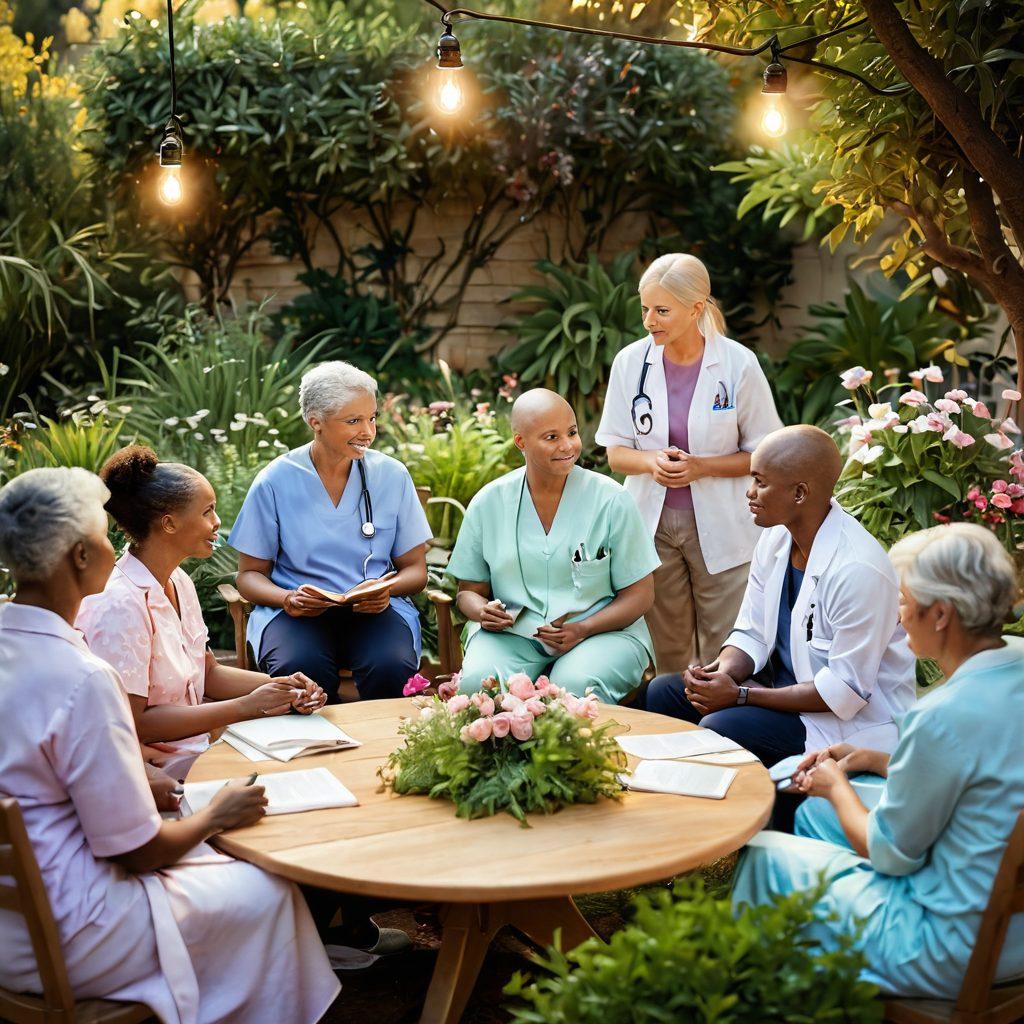
Let’s delve a little deeper into the support systems available. Support groups have emerged as a lifeline for those undergoing treatment, as these safe spaces allow individuals to share their experiences and emotions openly. Picture yourself in a circle of survivors, each with their own story of triumph and failure. Support groups not only cater to the emotional aspect of living with cancer but also provide practical patient resources that may aid in symptom management. The camaraderie formed in these circles often breeds hope—powerful fuel for healing. So, what stories of resilience can you bring back to your community?
Mental health plays an equally important role in the cancer journey. It’s not just about surviving the physical symptoms but also addressing the emotional toll that cancer takes. Lifestyle changes can improve overall well-being, and integrating alternative therapies such as yoga, meditation, and nutrition can augment traditional treatments, emphasizing the connection between diet and cancer. Have you considered how small changes could lead to powerful transformations?
Finally, remember that cancer prevention is not a solo journey. Community support and cancer charities play an essential role in research funding, which in turn advances our understanding of cancer and leads to improved treatment options. By sharing your experiences and advocating for patient rights, you contribute to a narrative that could one day change the face of oncology and inspire future generations. As you stand at the crossroads, ask yourself—how can you become an advocate for wellness, not just for yourself, but for others navigating their own cancer journeys?
Wellness Beyond Diagnosis: Holistic Approaches to Living with Cancer
When someone receives a cancer diagnosis, it can feel like their world has flipped upside down. The term 'cancer' alone stirs a whirlwind of fear and uncertainty. But beyond this daunting reality, there lies an empowering journey of wellness, one that extends far beyond the initial oncology consultations, tumor boards, and the often-perceived grim statistics. It's essential to explore the holistic approaches available for those living with cancer—a journey that encompasses not just medical treatment but also the nurturing of mental health, lifestyle changes, and personal advocacy. So, how can we redefine our health in a world overshadowed by malignancy?
Wellness, in the context of cancer, isn't solely about fighting the disease; it's about thriving despite it. Integrating alternative therapies such as acupuncture, yoga, and meditation can do wonders for symptom management and emotional well-being. Emotional health is as crucial as physical health; studies show that stress can influence cancer progression. Hence, what does a balanced approach look like? Perhaps it starts with community support via support groups, where individuals share their survivor stories, transforming despair into hope and practical advice.
Adjusting one's diet plays a monumental role in cancer prevention and overall wellness. There’s an increasing swell of research linking diet to cancer types—from breast cancer to colon cancer. If food can fuel our bodies, it can certainly impact our triumphs or struggles against this malignancy. Incorporating vibrant fruits, vegetables, and whole grains into daily meals can provide not just nutrients but a psychological boost as we navigate cancer treatment. How might a simple meal choice shift your perspective on wellness?
Patient advocacy doesn’t just begin and end with the healthcare system; it involves seeking out health information diligently and being an active participant in clinical trials, immunotherapy options, and radiation therapy discussions. Each individual's experience with cancer is unique, and understanding that there are resources available—like cancer charities and research funding—is vital. Have you ever thought about how you can become a resource for others by sharing your own journey?
Lastly, living with cancer means recognizing that wellness is a continuous journey rather than a destination. It’s about building a new lifestyle that embraces joy, mindfulness, and community connections. The fears surrounding a cancer diagnosis might be immense, but in unity, knowledge, and support, we have the power to redefine what living with cancer looks like. Together, as we share our experiences and encourage one another, we can transform our fight into a story of resilience, inspiration, and inform our path towards holistic wellness. What steps can you take today to empower your journey?
Advocacy in Action: Enhancing Healthcare Through Patient Voices and Resources
In the journey through cancer, navigating the rough waters of treatment and recovery can feel overwhelming. However, one beacon of hope that shines through the shadows of malignancy is advocacy. Patient advocacy involves amplifying patient voices and connecting them with the healthcare resources they need. The significance of using these voices to enhance healthcare cannot be overstated; it bridges the gap between patients and the vast healthcare system, ensuring that no one has to face their battle alone. Have you ever considered how your personal experiences could influence someone's cancer journey?
Advocacy in action means enabling patients to become informed partners in their healthcare decisions. With resources like health information websites, community support groups, and social media platforms, patients can access a wealth of knowledge about various cancer types—be it breast cancer, prostate cancer, lung cancer, or colon cancer. Have you ever wondered how this wealth of information could impact your treatment options? Just think about it: in a world where clinical trials, immunotherapy, chemotherapy, and radiation therapy are pivotal, having the right resources can make all the difference in symptom management and overall wellness.
One powerful quote that resonates with many advocates is, "Your voice can change the world." This rings especially true in oncology, where patient advocacy has fueled significant shifts in cancer treatment protocols and research funding. The collaboration between patients and healthcare professionals has led to innovative solutions in cancer treatment and prevention. Whether it's alternative therapies, lifestyle changes, or diet and cancer research, patient stories have the power to inspire and inform others while also pushing for more effective healthcare policies. Imagine the potential impact if every survivor shared their story!
Furthermore, engaging in patient advocacy brings a sense of community that is essential for mental health during this challenging time. Support groups allow patients to share their experiences, providing each other with invaluable insights and emotional relief. In moments of despair, this collective power of sharing can shift the narrative—from feeling isolated to feeling strengthened. Have you had experiences in a support group that left a lasting impact on your own journey?
Finally, let’s remember that the fight against cancer is not just about the individual; it's about creating a legacy of health education and wellness for future generations. By participating in research initiatives, supporting cancer charities, and advocating for better resources, patients can help shape a more informed society where everyone understands cancer symptoms, the importance of screening, and cancer prevention methodologies. The future of healthcare hinges on informed patients, rallying together, demanding change, and ensuring that every voice is heard. After all, real progress starts when we advocate for ourselves and others in our community. How will you choose to advocate today?